
Black Opals
What is a Black Opal ?
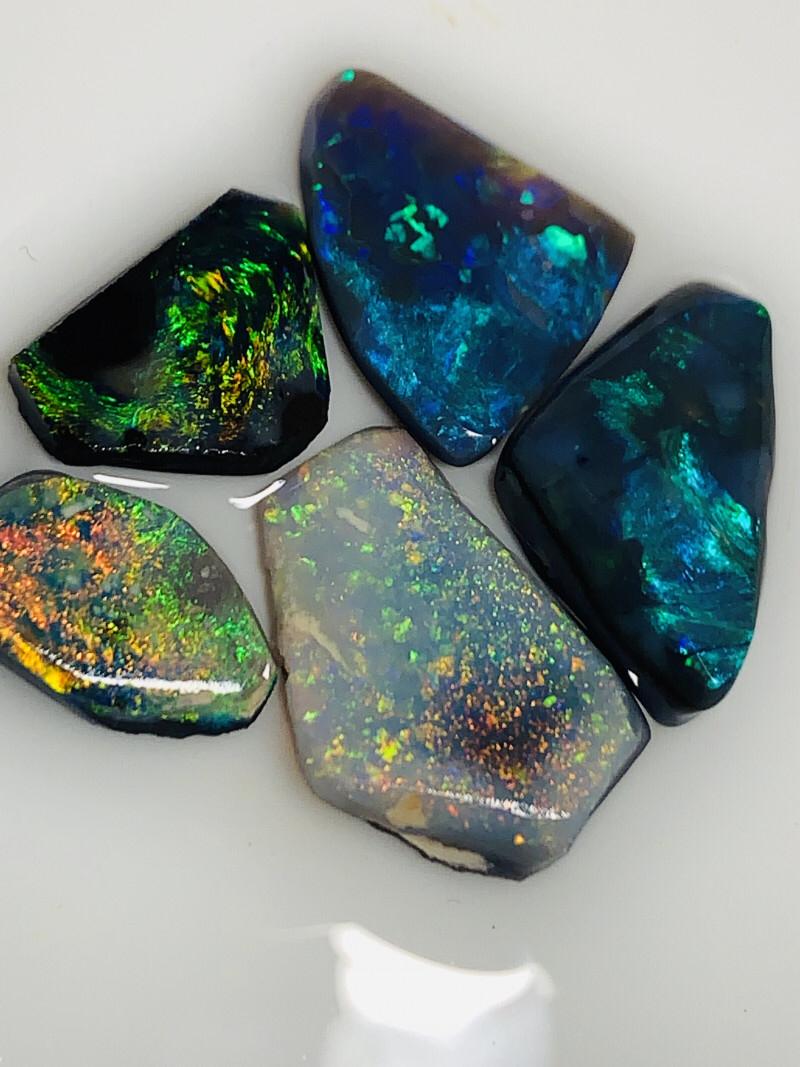
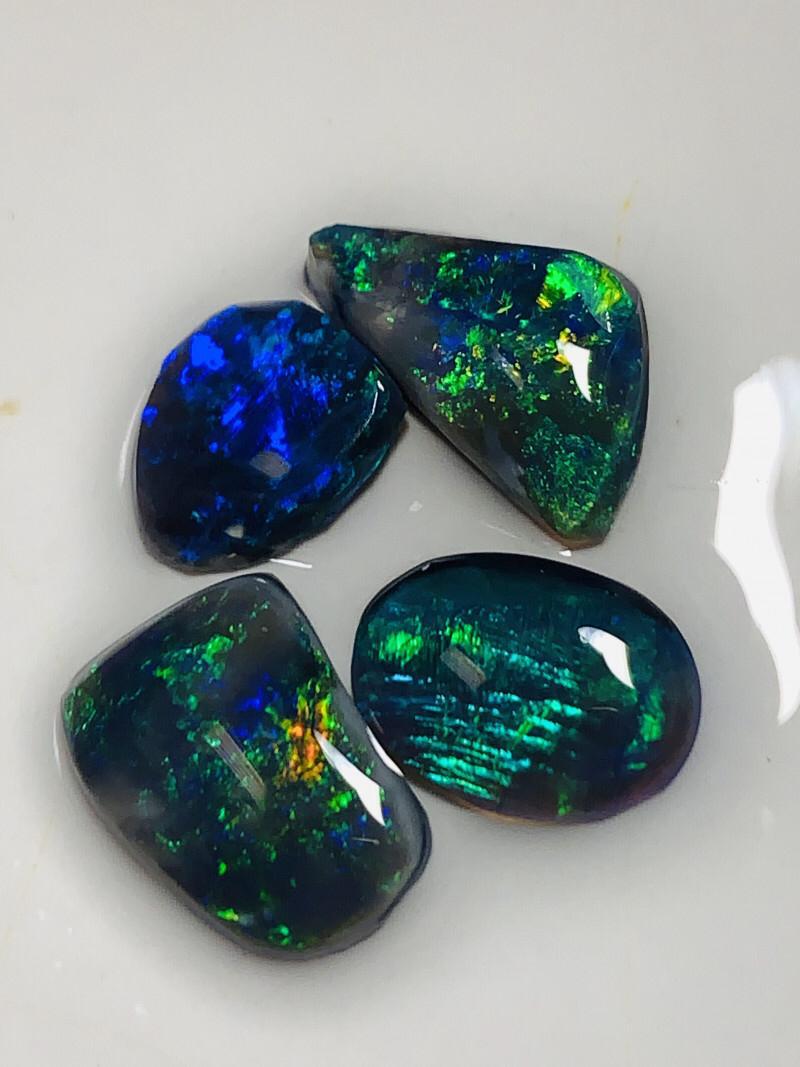
The black opals are among the Gemstones the rarest and most sought after in the world. Their naturally dark background brings out sets of colours of exceptional intensity, ranging from deep blue to bright green, passing through red, the rarest color.
Mainly extracted from Lightning Ridge, in Australia, Black Opals are considered the most prestigious of all varieties ofNatural Opals. Their rarity, beauty and uniqueness seduce collectors as well as jewellers and gem lovers.
Each Black Opal is different. None Pattern, no combination of colours or light sets are identical. It is this singularity that makes each stone a true work of nature.
Lightning Ridge in Australia: cradle of black opals
Lightning Ridge is today one of the most famous places for black opals. This city of Australia is known for its rare stones and intense colours.
Each opal is unique. No stone has exactly the same reflections. This reinforces its charm and value.
Why black opal is considered the rarest and most precious
The first discoveries took place in several regions of the world. However, Lightning Ridge, in New South Wales (Australia), which has become the world reference for Black Opals thanks to the exceptional quality of its stones.
The Black Opals discoveries to Lightning Ridge have had a profound impact on the Gemstones. Their naturally dark background, combined with intense colour games, quickly made their reputation with collectors, jewellers and gem lovers.
Even today,Black Opal is considered to be the rarest and most sought-after variety of opals. Its dark background highlights bright colors that vary according to the angle of observation. There are also semi-black opals, whose background is slightly lighter but which also have beautiful sets of colours.
Over the years, Black Opals of high quality have become increasingly difficult to find. The decline in discoveries, the increase in operating costs and the strong international demand partly explain this scarcity.
Opals with a very dark background and bright colours, including red, are now among the most sought after stones by collectors. Outstanding quality copies become increasingly rare.
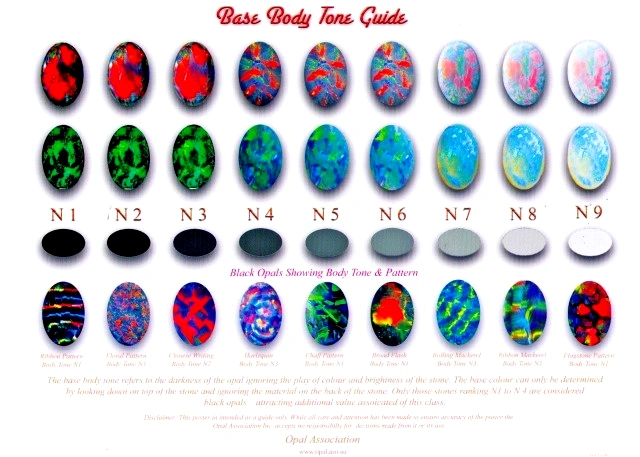
Minors now discover more semi-black opals than real ones Black Opals. To classify the background color, professionals use a tone guide called Body Tone Guide, which goes from N1, the deepest black, N9, the clearest tone.
Guide to the basic tones of black opals.
Understanding the N1 to N5 scale of black opals
The scale of the tonalities, ranging from N1 to N5, allows to classify the intensity of the background of the black opal.
N1 represents the deepest and rarest black, offering maximum contrast with the sets of colors.
As we approach N5, the bottom becomes clearer, influencing the perception of reflections and the value of the stone.
My eyes as a lover of opals
At Opales and GemsI share this information from my personal experience with the Natural Opalsin particular Australian opals.
For more than twenty years, I have been selecting, photographing, collecting and studying various Australian opal varieties. This field experience allows me to better understand the differences between deposits, sets of colours, Patterns and the criteria that influence the quality of a stone.
Over the years, I have built up a collection ofRough Opals and polished from emblematic deposits such as Lightning Ridge, Coober Pedy, Mintabay, Andamooka, Koroit, Yowah and Winton.
My goal is to provide simple, clear and reliable information to help enthusiasts, collectors and future buyers better understand the Black Opals and make an informed choice.
The information presented on this page is based on my personal experience, the observation of many Natural Opals and recognized references in the field of gemology.
FAQ: Everything about Black Opals
What is a Black Opal ?
One Black Opal is a Precious Opal whose natural background is dark, ranging from dark grey to black. This bottom, called body tone, highlights the color sets and gives them exceptional intensity. The more the contrast between the dark background and the colours is marked, the more the opal is sought.
Where do we find the most beautiful Black Opals ?
The most beautiful Black Opals natural resources come mainly from Lightning Ridge, New South Wales, Australia. This deposit is world-renowned for producing exceptional quality stones, sought after by collectors, jewellers and opal enthusiasts.
Why Black Opals Are they so rare?
The Black Opals are formed under very special geological conditions. Even Lightning Ridge, only a small proportion of the opals extracted have a naturally dark background associated with intense color sets. This rarity explains their value and reputation.
What are the criteria that determine the value of a Black Opal ?
The value of a Black Opal depends in particular on the brightness (brightness), colours, Patterns (pattern), contrast, size, weight, size quality and absence of cracks. Stones with bright colours, including red, are among the most sought after.
What is the difference between Black Opal And a semi-black opal?
One Black Opal has a naturally darker background than a semi-black opal. This background accentuates the color sets and offers a more pronounced contrast. Semi-black opals generally have a dark grey background.
The Black Opals Are they all Australians?
Australia is the main producer of Black Opals natural gem quality, thanks in particular to the deposit of Lightning Ridge. Other countries produce dark opals, but Black Opals Australia remains the world leader.
How to recognize a true Black Opal ?
A true black opal natural has a natural dark background and sets of colors that evolve according to the angle of observation. For a valuable stone, a certificate issued by a recognized gemmology laboratory is recommended.
How to maintain a Black Opal ?
Clean your Black Opal with a soft, slightly damp cloth or warm water. Avoid chemicals, ultrasound cleaners, major shocks and sudden temperature variations.
The Black Opals Are they a good investment?
The Black Opals high quality natural Gemstones the rarest in the world. Their value depends on the quality of the stone, its scarcity and the evolution of the market. A purchase must always be made from a trusted seller.


